
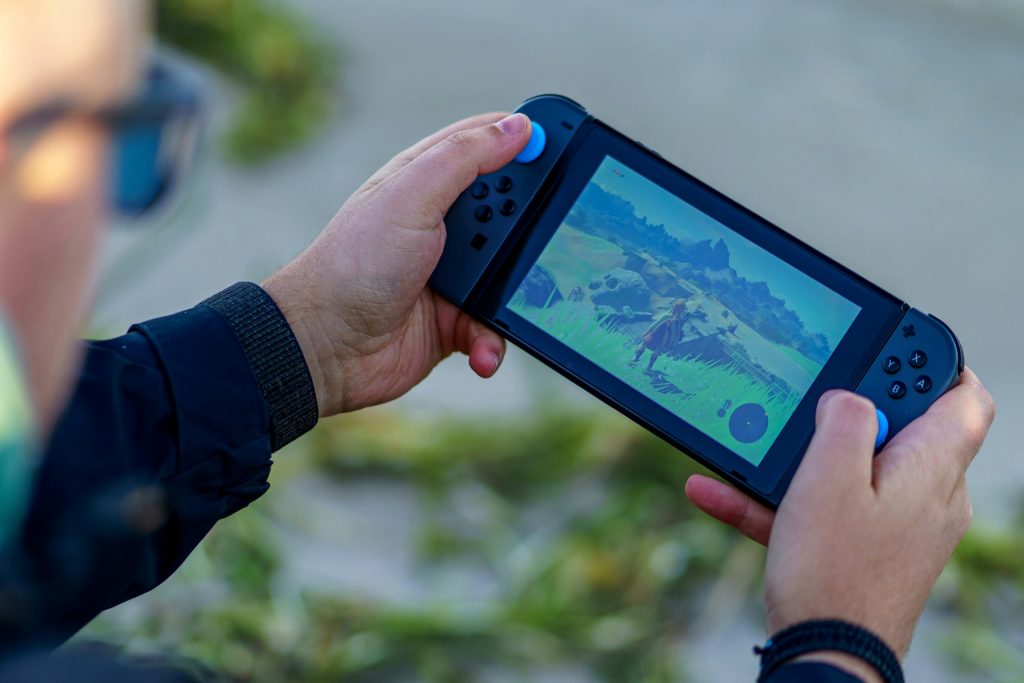
In recent years, eSports has emerged as a global phenomenon, transforming gaming from a recreational activity into a highly competitive sport and entertainment industry. Defined as organized multiplayer video game competitions, eSports attracts millions of viewers and players worldwide, with professional gamers competing for lucrative prizes and global recognition.
The rise of eSports can be attributed to several factors. Firstly, advancements in technology have enabled online gaming to reach unprecedented levels of accessibility and connectivity, allowing players from different corners of the globe to compete in real-time. Games like League of Legends, Dota 2, and Counter-Strike: Global Offensive have become synonymous with eSports, attracting dedicated fan bases and sponsorships from major companies.
Moreover, the proliferation of streaming platforms such as Twitch and YouTube Gaming has democratized access to eSports events, allowing fans to watch live matches, tournaments, and player streams from anywhere with an internet connection. This has not only boosted the popularity of eSports but also created new opportunities for gamers to build careers as professional streamers and content creators.
From a cultural standpoint, eSports has significantly influenced gaming culture by promoting teamwork, strategy, and sportsmanship among players. It has also challenged traditional notions of athleticism by showcasing the mental agility and reflexes required to excel in competitive gaming. Many universities and colleges now offer eSports scholarships, recognizing the legitimacy of gaming as a skill-based discipline.
Looking forward, the future of eSports appears bright, with growing investments from media companies, sponsors, and technology firms. The inclusion of eSports in major sporting events like the Asian Games and the formation of professional leagues further underscore its mainstream appeal and global reach.
As eSports continues to evolve, it will likely shape the landscape of gaming culture, inspiring a new generation of players and spectators while challenging perceptions of what it means to be a competitive athlete in the digital age.